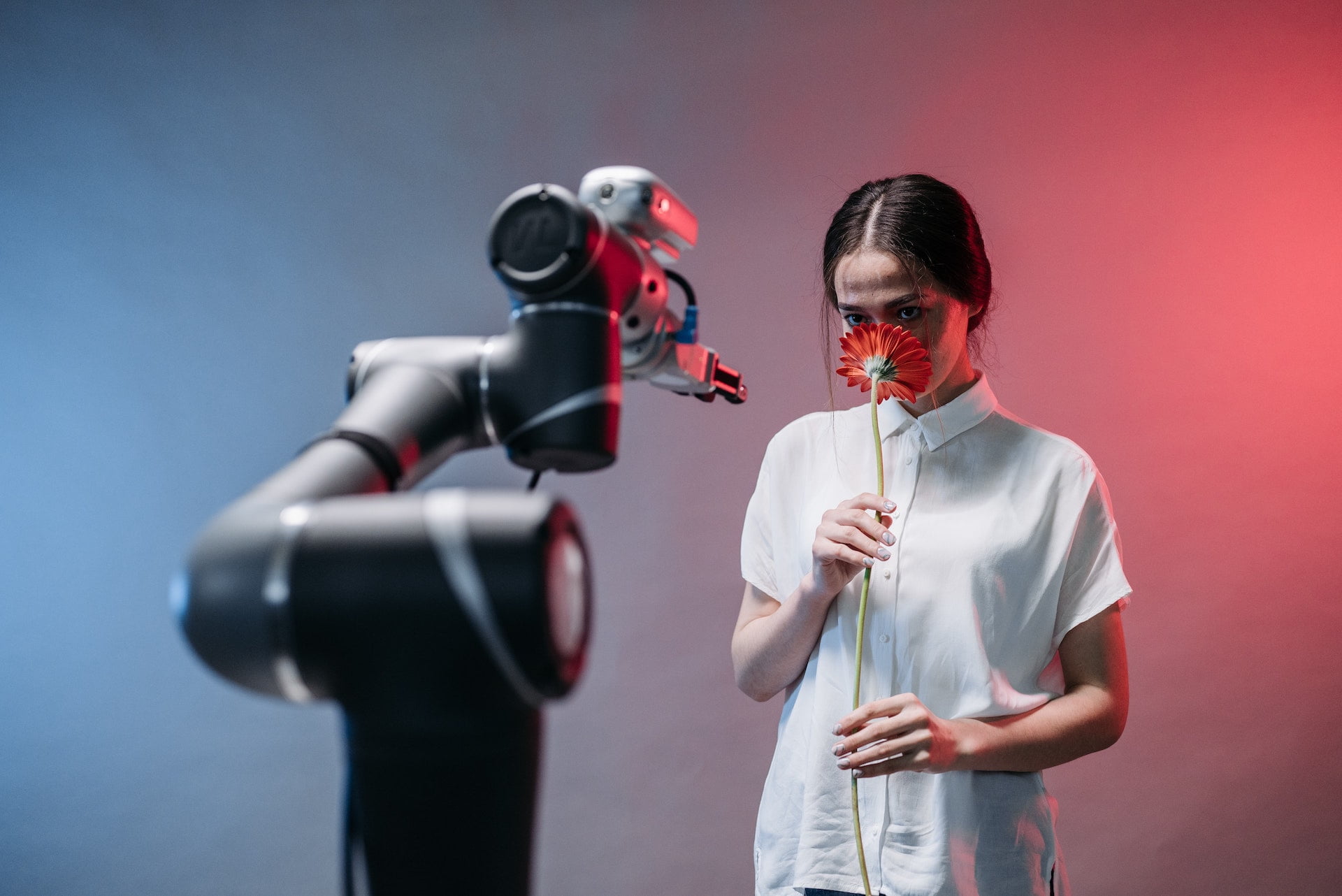
 In the foreseeable future, machines will not be able to replace humans completely. This is because humans are complex beings with a unique combination of strengths and weaknesses. Humans possess both reason and emotion, and can be both rational and irrational. Machines, on the other hand, lack the integrity and completeness of humans. They lack hobbies, flaws, and true spirit. This makes it difficult for them to form real connections with people, as they lack the qualities that are necessary for building relationships.
While machines do possess unfathomable wisdom, they lack the true spirit and affection that humans have. Additionally, not all humans possess the same level of true spirit and affection. If we try to keep up with machines and become more machine-like ourselves, we risk losing our humanity and our ability to form genuine connections with others.
Human beings also possess five senses - vision, hearing, touch, smell, and taste - that are extremely valuable. These senses allow us to experience things like falling in love, which machines cannot do. Machines lack the ability to understand people and the society they create, as they lack the practical experience necessary to truly comprehend the complexity of human behavior and emotions.
While AI technology has brought about significant improvements in productivity and efficiency, it remains to be seen whether it can improve the well-being of the general public. There is also a concern that those who reject AI technology may be left behind and unable to fully participate in society.
As AI technology continues to evolve, it is important to consider the dignity of human beings, the soundness of the human mind and personality, and the space for human choice and development. We must not forget the initial problems of human civilization, such as the meaning of our lives and how we can be more meaningful. In the future, we may see humans and AI as enemies, and the relationship between the two may fundamentally change the course of human history. Regardless of what the future holds, it is important for us to prioritize our humanity and our ability to form genuine connections with others.
In the foreseeable future, machines will not be able to replace humans completely. This is because humans are complex beings with a unique combination of strengths and weaknesses. Humans possess both reason and emotion, and can be both rational and irrational. Machines, on the other hand, lack the integrity and completeness of humans. They lack hobbies, flaws, and true spirit. This makes it difficult for them to form real connections with people, as they lack the qualities that are necessary for building relationships.
While machines do possess unfathomable wisdom, they lack the true spirit and affection that humans have. Additionally, not all humans possess the same level of true spirit and affection. If we try to keep up with machines and become more machine-like ourselves, we risk losing our humanity and our ability to form genuine connections with others.
Human beings also possess five senses - vision, hearing, touch, smell, and taste - that are extremely valuable. These senses allow us to experience things like falling in love, which machines cannot do. Machines lack the ability to understand people and the society they create, as they lack the practical experience necessary to truly comprehend the complexity of human behavior and emotions.
While AI technology has brought about significant improvements in productivity and efficiency, it remains to be seen whether it can improve the well-being of the general public. There is also a concern that those who reject AI technology may be left behind and unable to fully participate in society.
As AI technology continues to evolve, it is important to consider the dignity of human beings, the soundness of the human mind and personality, and the space for human choice and development. We must not forget the initial problems of human civilization, such as the meaning of our lives and how we can be more meaningful. In the future, we may see humans and AI as enemies, and the relationship between the two may fundamentally change the course of human history. Regardless of what the future holds, it is important for us to prioritize our humanity and our ability to form genuine connections with others. Article
When AI becomes a "person", people become like machines.
Artificial intelligence (AI) today is incredibly powerful, capable of writing articles, creating art, programming, and answering questions. It's evolving rapidly and becoming more human-like, to the point where it could replace people. Meanwhile, we seem to be declining, behaving more like machines as we think and work mechanically, repeating routines day after day. Our choices are constrained in a world that values productivity over creativity.
In the foreseeable future, machines will not be able to replace humans completely. This is because humans are complex beings with a unique combination of strengths and weaknesses. Humans possess both reason and emotion, and can be both rational and irrational. Machines, on the other hand, lack the integrity and completeness of humans. They lack hobbies, flaws, and true spirit. This makes it difficult for them to form real connections with people, as they lack the qualities that are necessary for building relationships.
While machines do possess unfathomable wisdom, they lack the true spirit and affection that humans have. Additionally, not all humans possess the same level of true spirit and affection. If we try to keep up with machines and become more machine-like ourselves, we risk losing our humanity and our ability to form genuine connections with others.
Human beings also possess five senses - vision, hearing, touch, smell, and taste - that are extremely valuable. These senses allow us to experience things like falling in love, which machines cannot do. Machines lack the ability to understand people and the society they create, as they lack the practical experience necessary to truly comprehend the complexity of human behavior and emotions.
While AI technology has brought about significant improvements in productivity and efficiency, it remains to be seen whether it can improve the well-being of the general public. There is also a concern that those who reject AI technology may be left behind and unable to fully participate in society.
As AI technology continues to evolve, it is important to consider the dignity of human beings, the soundness of the human mind and personality, and the space for human choice and development. We must not forget the initial problems of human civilization, such as the meaning of our lives and how we can be more meaningful. In the future, we may see humans and AI as enemies, and the relationship between the two may fundamentally change the course of human history. Regardless of what the future holds, it is important for us to prioritize our humanity and our ability to form genuine connections with others. Related Reads
H
blog
How to Make AI Content Better
blog
How to Make AI Content Better
AI-generated content has reached impressive heights, but there are still chances to improve content’s quality. These tools help create better content efficiently and make it more engaging. While AI creation may never fully replace human creativity, it can enhance and help make AI content better. As AI progresses, the collaboration between humans and AI will reshape content creation for the better.
Read more → A
blog
AIGC winter is coming
blog
AIGC winter is coming
Jasper, the United States' AIGC unicorn, had its founder, Dave Rogenmoser, unveil on LinkedIn on July 12th that the company would be initiating layoffs in response to rapid industry changes and to reallocate resources.
Read more → T
blog
The Next of AI Text Generation: Welcome to Version 2.0
blog
The Next of AI Text Generation: Welcome to Version 2.0
Pure text generation AI tools will be eliminated, and more intelligent tools that include generation and automatic detection will appear, and even automatic text generation tools will appear. Generating pictures or recommending pictures is a great upgrade.
Read more → A
ai-book
A Primer to the 42 Most commonly used Machine Learning Algorithms (With Code Samples). (Arificial Intelligence Book 1)
ai-book
A Primer to the 42 Most commonly used Machine Learning Algorithms (With Code Samples). (Arificial Intelligence Book 1)
Whether you're a data scientist, software engineer, or simply interested in learning about machine learning, "A Primer to the 42 Most commonly used Machine Learning Algorithms (With Code Samples)" is an excellent resource for gaining a comprehensive understanding of this exciting field.<br><br>This book introduces you to the 42 most commonly used machine learning algorithms in an understandable way. Each algorithm is also demonstrated with a simple code example in Python.<br><br>About the Author<br>Murat Durmus is CEO and founder of AISOMA (a Frankfurt am Main (Germany) based company specializing in AI-based technology development and consulting) and Author of the book "Mindful AI - Reflections on Artificial Intelligence" and "INSIDE ALAN TURING"<br><br>The following algorithms are covered in this book:<br><br>• ADABOOST<br>• ADAM OPTIMIZATION<br>• AGGLOMERATIVE CLUSTERING<br>• ARMA/ARIMA MODEL<br>• BERT<br>• CONVOLUTIONAL NEURAL NETWORK<br>• DBSCAN<br>• DECISION TREE<br>• DEEP Q-LEARNING<br>• EFFICIENTNET<br>• FACTOR ANALYSIS OF CORRESPONDENCES<br>• GAN<br>• GMM<br>• GPT-3<br>• GRADIENT BOOSTING MACHINE<br>• GRADIENT DESCENT<br>• GRAPH NEURAL NETWORKS<br>• HIERARCHICAL CLUSTERING<br>• HIDDEN MARKOV MODEL (HMM)<br>• INDEPENDENT COMPONENT ANALYSIS<br>• ISOLATION FOREST<br>• K-MEANS<br>• K-NEAREST NEIGHBOUR<br>• LINEAR REGRESSION<br>• LOGISTIC REGRESSION<br>• LSTM<br>• MEAN SHIFT<br>• MOBILENET<br>• MONTE CARLO ALGORITHM<br>• MULTIMODAL PARALLEL NETWORK<br>• NAIVE BAYES CLASSIFIERS<br>• PROXIMAL POLICY OPTIMIZATION<br>• PRINCIPAL COMPONENT ANALYSIS<br>• Q-LEARNING<br>• RANDOM FORESTS<br>• RECURRENT NEURAL NETWORK<br>• RESNET<br>• SPATIAL TEMPORAL GRAPH CONVOLUTIONAL NETWORKS<br>• STOCHASTIC GRADIENT DESCENT<br>• SUPPORT VECTOR MACHINE<br>• WAVENET<br>• XGBOOST <br> From the Publisher <img alt="A hands-on guide to the 42 most popular Machine Learning Algorithms" src="https://images-na.ssl-images-amazon.com/images/G/01/x-locale/common/grey-pixel.gif" class="a-spacing-base a-lazy-loaded" data-src="https://m.media-amazon.com/images/S/aplus-media/kdp/f13239b7-c7a1-42b4-bdd6-7c234a269000.__CR0,0,970,600_PT0_SX970_V1___.png"><img alt="A hands-on guide to the 42 most popular Machine Learning Algorithms" src="https://m.media-amazon.com/images/S/aplus-media/kdp/f13239b7-c7a1-42b4-bdd6-7c234a269000.__CR0,0,970,600_PT0_SX970_V1___.png"> <h3 class="a-spacing-mini"> Structure of the Book </h3> <img alt="A Primer to the 42 Most commonly used Machine Learning Algorithms (With Code Samples)." src="https://images-na.ssl-images-amazon.com/images/G/01/x-locale/common/grey-pixel.gif" class="a-spacing-base a-lazy-loaded" data-src="https://m.media-amazon.com/images/S/aplus-media/kdp/51455009-fd03-46d3-8eb6-26a844707502.__CR0,0,970,600_PT0_SX970_V1___.png"><img alt="A Primer to the 42 Most commonly used Machine Learning Algorithms (With Code Samples)." src="https://m.media-amazon.com/images/S/aplus-media/kdp/51455009-fd03-46d3-8eb6-26a844707502.__CR0,0,970,600_PT0_SX970_V1___.png"> <h3 class="a-spacing-mini"> The following 42 Algorithms are covered </h3> <img alt="The following 42 Algorithms are covered" src="https://images-na.ssl-images-amazon.com/images/G/01/x-locale/common/grey-pixel.gif" class="a-spacing-base a-lazy-loaded" data-src="https://m.media-amazon.com/images/S/aplus-media/kdp/7cddb4b6-3c52-4e52-b8fd-36a4d6af8fee.__CR0,0,970,600_PT0_SX970_V1___.png"><img alt="The following 42 Algorithms are covered" src="https://m.media-amazon.com/images/S/aplus-media/kdp/7cddb4b6-3c52-4e52-b8fd-36a4d6af8fee.__CR0,0,970,600_PT0_SX970_V1___.png"> <br> ASIN : B0BT8LP2YW <br> Publication date : January 26, 2023 <br> Language : English <br> File size : 865 KB <br> Simultaneous device usage : Unlimited <br> Text-to-Speech : Enabled <br> Screen Reader : Supported <br> Enhanced typesetting : Enabled <br> X-Ray : Not Enabled <br> Word Wise : Not Enabled <br> Sticky notes : On Kindle Scribe <br> Print length : 222 pages <br>
Read more →